
How to Apply Blush for Your Face Shape: Placement Tips for a Natural Lift
October 16, 2026
Blush is one of the easiest ways to bring color, dimension and freshness to your makeup look. But have you ever wondered why the same blush placement looks flattering on one person and completely different on another?
The secret is not just the shade you choose. Where you apply blush can change the overall balance and appearance of your face.
Whether you have a round, oval, square, heart-shaped or long face, adjusting your blush placement can help you create a softer, more lifted or more balanced-looking finish.
In our previous guide, How to Choose the Best Setting Powder for Your Skin Type, we explored how to create a smoother makeup base. This time, we are focusing on the next step: using blush to add color and dimension to your cheeks.
1. Why Does Blush Placement Matter?
Blush does more than add a rosy color to your cheeks. Depending on where you apply and blend it, blush can influence how your cheekbones and overall facial proportions appear.
For example:
- Applying blush higher on the cheeks can create a lifted-looking effect.
- Blending blush outward can add definition to the cheek area.
- Applying blush more horizontally can create a softer, wider-looking effect.
- Concentrating color on the apples of the cheeks can create a fresh, youthful makeup style.
There is no single placement that works for everyone. Your preferred look, facial features and makeup style all influence the best technique.
The goal is not to change your natural face shape. It is to use color and blending to create the effect you enjoy.
2. How to Apply Blush for a Round Face
A round face often has fuller cheeks and a similar-looking width and length. If you want a more lifted appearance, try placing blush slightly higher on the cheekbones and blending it diagonally upward.
Best Blush Placement for a Round Face
- Start near the upper part of your cheeks, slightly away from the center of your face.
- Apply a small amount of blush.
- Blend diagonally upward toward the temples.
- Keep the edges soft so the color transitions naturally into your foundation.
Avoid concentrating all the color in large, round circles directly on the apples of your cheeks if your goal is a more elongated, lifted effect.
For a natural everyday look, a soft pink or peach shade can add freshness without making your makeup appear too heavy.
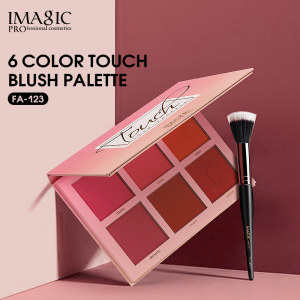
The IMAGIC 6-Color Blush Palette offers six shades that can be used individually or blended to customize your cheek color.
Quick tip: Keep the strongest color near the outer cheek area and blend upward rather than extending the blush too far toward the nose.
3. How to Apply Blush for an Oval Face
Oval faces generally offer flexibility when it comes to blush placement. You can experiment with different techniques depending on whether you prefer a natural flush, a sculpted look or a soft, youthful finish.
Best Blush Placement for an Oval Face
For a balanced everyday look:
- Locate the apples of your cheeks.
- Apply a small amount of blush to the upper part of the cheek area.
- Blend outward toward the temples.
- Soften the edges with a clean brush.
If you prefer a more lifted effect, keep the color slightly higher on the cheekbones. For a softer, more youthful appearance, concentrate a little more color around the apples of your cheeks.
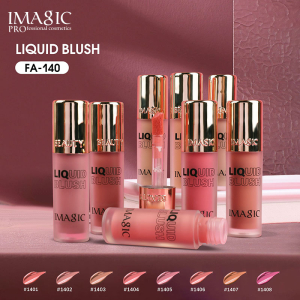
The IMAGIC 8-Color Liquid Blush is another option for creating different cheek looks. Its lightweight liquid-powder texture can be blended and built gradually for a soft-matte finish.
The key is to start with a small amount and adjust the placement until it complements your features.
4. How to Apply Blush for a Square Face
A square face often has a more defined jawline and relatively strong facial angles. If you want a softer appearance, consider applying blush to the fuller part of the cheeks and blending outward.
Best Blush Placement for a Square Face
- Apply blush to the upper cheek area, avoiding a placement that is too low.
- Blend outward using soft, rounded motions.
- Keep the edges diffused instead of creating a sharp diagonal line.
- Adjust the intensity so the blush complements rather than competes with your other makeup.
Soft pink, peach and rosy shades can all work well, depending on your skin tone and preferred finish.
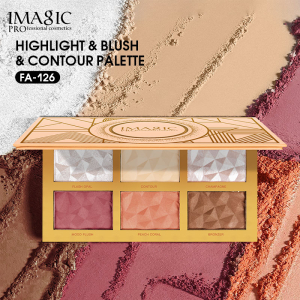
If you enjoy a more sculpted look, you can combine blush with contour. The IMAGIC 6-Color Blush, Highlighter & Contour Palette includes two contour shades, two highlighter shades and two blush shades, allowing you to coordinate color, definition and brightness in one routine.
Use contour sparingly and blend carefully for a natural-looking result.
5. How to Apply Blush for a Heart-Shaped Face
A heart-shaped face often features a wider forehead and a narrower chin. If you want to create a balanced-looking makeup effect, try applying blush across the upper cheeks with a soft outward blend.
Best Blush Placement for a Heart-Shaped Face
- Start on the upper cheek area, slightly below the outer corners of the eyes.
- Apply blush in a small, controlled amount.
- Blend outward toward the cheekbones.
- Keep the color soft and balanced on both sides of the face.
You can experiment with rounded or slightly diagonal placement depending on the look you prefer.
A peachy or rosy blush can create a fresh everyday finish, while a deeper shade can add more definition for evening makeup.
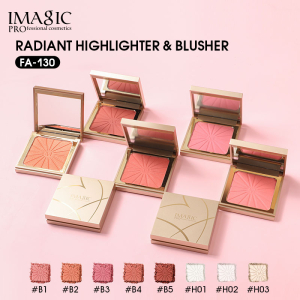
The IMAGIC Radiant Highlighter & Blush Palette combines blush and highlighter shades, giving you options for adding cheek color and highlighting the high points of your face.
For a subtle result, apply blush first and add only a small amount of highlighter where you want extra brightness.
6. How to Apply Blush for a Long Face
If your face appears longer than it is wide, a more horizontal blush placement can help create a balanced-looking effect.
Instead of extending the blush too far upward toward the temples, concentrate the color across the cheeks and blend outward gently.
Best Blush Placement for a Long Face
- Apply blush around the apples of your cheeks or across the central cheek area.
- Blend horizontally toward the outer cheeks.
- Avoid extending the color too far vertically if you want to create a wider-looking effect.
- Keep the intensity balanced so the blush looks like a natural flush.
A soft pink, peach or coral shade can create a fresh appearance without requiring heavy contouring.
You can also use a multi-shade palette to experiment with different color combinations. The IMAGIC 6-Color Blush Palette lets you customize your cheek color by using individual shades or blending them together.
Remember that these placements are starting points rather than strict rules. Try a few variations and choose the one that makes you feel most confident.
7. How to Choose the Right Blush Formula
Blush placement is important, but the formula you choose also affects how easily the product blends and how the finished makeup looks.
Two common options are powder blush and liquid blush.
Powder Blush: Easy Control and Buildable Color
Powder blush is a practical choice if you want control over placement and color intensity.
It works well for:
- Soft, everyday makeup
- Matte or natural-looking finishes
- Gradually building color
- Applying blush after setting your foundation
The IMAGIC 6-Color Blush Palette features six versatile shades that can be used separately or combined to create customized cheek colors.
To apply powder blush, pick up a small amount with a clean brush and tap off the excess before touching your cheeks.
Liquid Blush: A Lightweight, Soft-Matte Look
Liquid blush is a useful option if you prefer a lightweight texture and a fresh, skin-like appearance.
It can work well for:
- Natural-looking everyday makeup
- Soft, blended cheek color
- Layering color gradually
- Creating a more defined blush look with additional layers
The IMAGIC 8-Color Liquid Blush features a lightweight liquid-powder texture and a soft-matte finish.
For easier application, start with a very small amount and blend before adding more. Applying too much liquid blush at once can make it harder to control the final intensity.
Powder vs. Liquid Blush: Which Should You Choose?
| Feature | Powder Blush | Liquid Blush |
|---|---|---|
| Application | Brush or suitable applicator | Applicator, fingertips or sponge |
| Color intensity | Easy to build gradually | Easy to build with small layers |
| Preferred finish | Soft matte or natural | Lightweight soft matte |
| Best application stage | Usually after setting the base | Usually before setting powder |
| Beginner tip | Tap off excess powder | Start with a tiny amount |
Neither formula is automatically better. Choose the one that works with your foundation, skin preferences and makeup style.
8. How to Apply Blush Without Making Your Makeup Look Heavy
Even the right blush shade can look unnatural if you apply too much or skip blending.
Follow these simple steps for a smoother result.
Step 1: Prepare Your Base
Apply foundation and concealer, then blend them evenly. If you need to set your makeup, use a small amount of powder where necessary.
For more guidance, read our setting powder guide to learn how powder fits into your complexion routine.
Step 2: Choose Your Placement
Decide whether you want a lifted, rounded, soft or more sculpted look.
Use your face shape as a starting point, but adjust the placement to suit your own features.
Step 3: Start With a Small Amount
Pick up a little product and apply it to the cheek area. It is easier to add more color than to remove an overly intense layer.
Step 4: Blend in the Right Direction
Use upward, outward or horizontal motions depending on the effect you want.
Avoid leaving a visible line where the blush begins or ends.
Step 5: Check Your Makeup in Natural Light
Look at your makeup from different angles. If one cheek appears stronger than the other, use a clean brush or sponge to soften the edges.
Step 6: Finish With Other Face Products
If desired, apply a small amount of contour or highlighter to complete your look. The IMAGIC 6-Color Blush, Highlighter & Contour Palette combines these three face makeup steps in one palette.
Keep the overall look balanced so your blush complements your foundation, eyeshadow and lipstick.
9. Common Blush Placement Mistakes to Avoid
Applying Blush Too Low
Blush placed too low on the cheeks may create a heavier-looking effect than you intended. If you prefer a lifted appearance, try moving the color slightly higher and blending outward.
Using Too Much Product at Once
A highly pigmented blush can become intense quickly. Start with a light layer and gradually build the color.
Choosing a Shade Without Considering Your Overall Look
Your blush does not need to match your lipstick exactly, but the colors should complement each other.
For example, peach blush can pair well with warm-toned makeup, while rosy blush can complement softer pink looks.
Skipping the Blending Step
Visible edges can make blush look like a separate stripe of color instead of part of your complexion.
Use a clean brush or sponge to soften the transition.
Following Face-Shape Rules Too Strictly
Face-shape guides are useful, but real faces do not always fit into one category. You may have features associated with several face shapes.
Experiment with different placements rather than assuming that only one technique will suit you.
10. A Simple Everyday Blush Routine
If you want an easy routine that works for everyday makeup, try these steps:
- Apply your skincare and complexion products.
- Blend foundation and concealer evenly.
- Set your base where necessary.
- Choose a blush shade that complements your makeup.
- Apply a small amount to the cheeks.
- Blend in the direction that creates your preferred effect.
- Add more color gradually if needed.
- Apply contour or highlighter if desired.
- Check the finished look in natural light.
For additional guidance on cosmetic use and product safety, consult the U.S. Food and Drug Administration’s cosmetics information and safety guidance.
Final Thoughts
Learning how to apply blush for your face shape is about understanding placement, color and blending—not following rigid beauty rules.
For a round face, try blending upward for a lifted appearance. For an oval face, experiment with different placements. For a square face, soften the edges. For a heart-shaped face, focus on balanced cheek color. For a long face, try a more horizontal application.
The most flattering blush is the one that works with your features and the look you want to create.
Explore the IMAGIC Blush Collection to discover powder blushes, liquid blushes and multi-function face palettes for different makeup styles.
Start with a little color, blend carefully and experiment until you find your signature blush look.
Your face, your features, your IMAGIC.

