
How to Choose Eyeshadow Colors for Your Eye Color: A Beginner’s Guide
October 20, 2026
Choosing eyeshadow can feel overwhelming when there are so many colors, finishes and palettes to explore. Should you choose warm browns, soft pinks, cool purples or bold blues? And which shades will make your eyes stand out?
The good news is that you do not need to be a professional makeup artist to create beautiful eye makeup. Understanding a few basic color combinations can help you choose eyeshadow shades that complement your natural eye color and personal style.
Whether you have brown, blue, green or hazel eyes, this guide will help you explore flattering eyeshadow colors, create everyday looks and experiment with more expressive makeup.
If you are new to eye makeup, explore the IMAGIC Eyeshadow Collection for palettes featuring neutral tones, colorful shades and different finishes.
1. How to Choose Eyeshadow Colors That Complement Your Eyes
Before choosing your eyeshadow, think about the overall effect you want to create.
Some shades create a soft, coordinated look, while others provide contrast that makes your eye color appear more noticeable. Neither approach is better than the other.
Here are three simple principles to remember:
- Complementary colors: Shades that contrast with your eye color can create a more noticeable effect.
- Coordinated colors: Shades similar to your natural coloring can create a harmonious, understated look.
- Neutral shades: Browns, taupes, beiges and soft charcoal tones are versatile choices for everyday makeup.
Your skin tone, hair color, outfit and personal preferences can also influence which shades you enjoy wearing. Use color recommendations as inspiration rather than strict rules.
2. Best Eyeshadow Colors for Brown Eyes
Brown eyes are versatile and can work well with a wide range of eyeshadow colors. Warm neutrals are especially easy to wear, while richer shades can add contrast and dimension.
Everyday Eyeshadow Colors for Brown Eyes
Try these shades for a simple everyday look:
- Warm brown
- Caramel
- Bronze
- Champagne
- Soft peach
- Rose brown
For a more dramatic effect, experiment with plum, emerald green or metallic copper.
A warm brown base with bronze shimmer is an easy combination for both daytime and evening makeup.
How to Create a Brown-Eye Makeup Look
- Apply a light beige or soft brown shade across the eyelid.
- Blend a medium brown shade into the crease.
- Add bronze or champagne shimmer to the center of the eyelid.
- Apply a deeper brown shade to the outer corner for definition.
- Blend the edges until the colors transition smoothly.
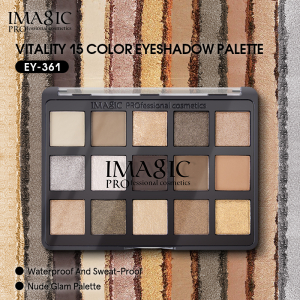
The IMAGIC Vitality 15-Color Everyday Eyeshadow Palette features nude and warm-toned shades with matte, metallic shimmer and sparkling finishes. It is a versatile option for experimenting with natural brown-eye makeup and more dimensional looks.
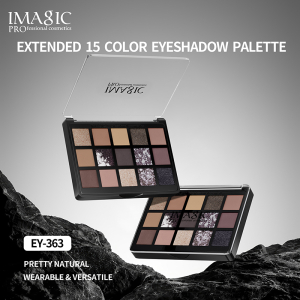
For a bolder style, consider the IMAGIC Extended 15-Color Multi-Finish Eyeshadow Palette, which combines orange-brown, rose and smoky purple tones.
3. Best Eyeshadow Colors for Blue Eyes
Blue eyes can look striking with warm shades that create contrast, including peach, copper, bronze and warm brown.
These colors offer a useful starting point if you want your eye makeup to make your blue eyes stand out.
Everyday Eyeshadow Colors for Blue Eyes
Consider trying:
- Soft peach
- Warm taupe
- Copper
- Bronze
- Caramel brown
- Champagne
For evening makeup, deeper brown, plum and smoky charcoal can create a more defined look.
You can also wear blue eyeshadow with blue eyes. A coordinated blue look can be elegant and expressive, especially when you vary the depth and finish of the shades.
How to Create a Blue-Eye Makeup Look
- Apply a soft beige or warm taupe shade as your base.
- Blend a medium brown shade into the crease.
- Add copper or bronze to the eyelid.
- Use a deeper brown at the outer corner.
- Finish with eyeliner and mascara if desired.
For an easy everyday option, the IMAGIC Vitality 15-Color Everyday Eyeshadow Palette provides neutral and warm-toned shades that can be layered for different levels of intensity.
The key is to blend the warm tones softly so the overall look feels balanced rather than overly dramatic.
4. Best Eyeshadow Colors for Green Eyes
Green eyes can be complemented by shades from the red and purple color families. You do not need to use bright red eyeshadow to achieve contrast: muted rose, mauve, plum and reddish brown can be easier to incorporate into everyday makeup.
Everyday Eyeshadow Colors for Green Eyes
Try these options:
- Rose brown
- Mauve
- Dusty pink
- Plum
- Copper
- Reddish brown
For a more neutral look, soft beige and taupe can create subtle definition without overpowering your natural eye color.
How to Create a Green-Eye Makeup Look
- Apply a neutral beige shade across the eyelid.
- Blend rose brown or mauve into the crease.
- Add a slightly deeper plum shade to the outer corner.
- Apply a small amount of shimmer to the center of the eyelid if desired.
- Blend the edges to create a smooth transition.
The IMAGIC Extended 15-Color Multi-Finish Eyeshadow Palette includes rose and smoky purple tones, making it a useful palette to explore for soft romantic looks or more defined evening makeup.
If you prefer subtle makeup, use the deeper shades sparingly and keep the rest of the eyelid relatively light.
5. Best Eyeshadow Colors for Hazel Eyes
Hazel eyes can contain a mixture of brown, green and golden tones. Because their appearance can vary with lighting and surrounding colors, hazel eyes offer plenty of opportunities to experiment.
Rather than following a single color rule, choose shades based on the tones you want to emphasize.
Eyeshadow Colors for Hazel Eyes
For a warmer, golden-looking effect, try:
- Bronze
- Copper
- Gold
- Warm brown
- Caramel
For a greener-looking effect, experiment with:
- Mauve
- Plum
- Rose brown
- Soft purple
For a natural everyday look, taupe and medium brown are versatile choices.
How to Create a Hazel-Eye Makeup Look
- Start with a neutral base shade.
- Choose bronze or copper to emphasize warmth, or mauve and plum for a contrasting effect.
- Blend a deeper shade into the outer corner.
- Apply a light shimmer shade to the center of the eyelid.
- Finish with softly blended eyeliner if desired.
The IMAGIC Chalice 36-Color Eyeshadow Palette combines matte and shimmer finishes in a wide selection of shades, making it a useful option when you want to try different color combinations.
6. Can You Wear Colorful Eyeshadow With Any Eye Color?
Absolutely. Neutral shades are practical, but colorful eyeshadow can be just as wearable when you choose the right intensity and placement.
You do not have to match your eyeshadow to your eye color. You can coordinate it with your outfit, lipstick, blush or the overall mood of your makeup.
Here are a few ideas:
Pink eyeshadow: Create a soft romantic look with dusty pink, rose brown and champagne shimmer.
Purple eyeshadow: Combine lavender or mauve with a deeper plum shade for added dimension.
Green eyeshadow: Try olive or emerald for a bold look, or use a muted green as a small accent.
Blue eyeshadow: Blend navy or soft blue with brown or taupe to make the color easier to wear.
Orange and copper eyeshadow: Use warm orange-brown tones for sunset-inspired or autumn makeup.
If you want to explore multiple color families, the IMAGIC 56-Color Terraced Makeup Palette contains 50 eyeshadow shades alongside blush, highlighter and contour shades. This gives you room to experiment with both eye makeup and coordinated face makeup.
For beginners, start with one colorful shade and pair it with two neutral shades. This makes it easier to create a balanced look without using too many colors at once.
7. Matte vs. Shimmer Eyeshadow: Which Should You Choose?
Eyeshadow color is only one part of the decision. The finish can change the overall appearance of your makeup, even when you use similar shades.
Matte Eyeshadow
Matte eyeshadow has little to no visible sparkle. It is useful for creating soft definition and blending transitions between colors.
Use matte shades to:
- Create a base across the eyelid
- Define the crease
- Add depth to the outer corner
- Build a soft, understated everyday look
Shimmer Eyeshadow
Shimmer eyeshadow reflects light and can add dimension to your eye makeup.
Use shimmer shades to:
- Brighten the center of the eyelid
- Add a highlight to the inner corner
- Create a more luminous evening look
- Add contrast to matte shades
How to Combine Both Finishes
A simple technique is to use matte shades to create shape and shimmer shades to add dimension.
For example, apply a matte brown shade to the crease and outer corner, then press a bronze shimmer shade onto the center of the eyelid.
The IMAGIC Vitality 15-Color Everyday Eyeshadow Palette includes matte, metallic shimmer and sparkling finishes, allowing you to experiment with different combinations.
If you enjoy more expressive eye makeup, the IMAGIC Extended 15-Color Multi-Finish Eyeshadow Palette features five different finishes, offering more ways to layer and customize your look.
8. How to Choose Eyeshadow for Your Skin Undertone
Your eye color is one factor in choosing eyeshadow, but your skin undertone can also influence which shades you prefer.
Skin undertones are commonly described as warm, cool or neutral. These categories can be useful when choosing makeup, but they are not rigid rules.
Warm Undertones
If you tend to prefer warm-toned makeup, experiment with:
- Gold
- Bronze
- Copper
- Peach
- Warm brown
These shades can create a coordinated look with warm-toned blush and lipstick.
Cool Undertones
If you prefer cooler colors, consider:
- Mauve
- Cool taupe
- Silver
- Lavender
- Smoky gray
These shades can create soft, cool-toned or more dramatic eye looks.
Neutral Undertones
If your undertone appears balanced, you may enjoy both warm and cool shades.
Try beige, rose brown, taupe and champagne as starting points, then experiment with more saturated colors.
Remember that your preferred makeup finish and personal style matter just as much as traditional color recommendations.
9. How to Apply Eyeshadow for a Smooth, Blended Finish
Choosing the right colors is only the first step. Good blending helps different shades work together and makes your eye makeup look more polished.
Follow this beginner-friendly routine:
Step 1: Prepare your eyelids. Start with clean eyelids and apply an eye primer if desired.
Step 2: Apply a base shade. Use a light, neutral color across the eyelid to create a starting point.
Step 3: Add a transition shade. Blend a medium shade through the crease using a soft brush.
Step 4: Create depth. Apply a deeper shade to the outer corner and blend inward slightly.
Step 5: Add shimmer if desired. Press a shimmer shade onto the center of the eyelid for extra dimension.
Step 6: Blend the edges. Use a clean brush to soften any visible lines between shades.
Step 7: Finish your eye makeup. Add eyeliner and mascara if desired.
For loose pigments or glitter, the IMAGIC Eyeshadow Fix Gel is designed to help pigments and glitter adhere to the eyelid. Follow the product directions and use eye-area cosmetics only as intended.
You do not need many shades to create a beautiful look. Three well-blended colors can be enough for an everyday eye makeup routine.
10. Common Eyeshadow Mistakes Beginners Should Avoid
Using Too Many Colors at Once
It is tempting to use every shade in a palette, but too many competing colors can make blending more difficult.
Start with two or three shades and add more only when you feel comfortable.
Skipping Blending
Visible lines between colors can make eye makeup look harsh. Blend the edges gently rather than repeatedly adding more product.
Applying Too Much Shimmer
Shimmer can create beautiful dimension, but applying it everywhere may make the look less defined.
Try concentrating shimmer on the center of the eyelid or inner corner.
Choosing Shades Only Because They Match Your Eye Color
Color recommendations are useful starting points, not strict rules. If you love a shade, experiment with it.
Forgetting Eye Makeup Hygiene
Use clean brushes and follow the instructions for your cosmetics. Avoid sharing eye makeup, and do not use products that are contaminated or unsuitable for the eye area.
For additional safety information, read the U.S. Food and Drug Administration’s guide to eye cosmetics.
Final Thoughts
Choosing eyeshadow colors for your eye color does not have to be complicated.
Brown eyes can explore warm neutrals, bronze and plum. Blue eyes can experiment with peach, copper and warm brown. Green eyes can try rose, mauve and purple tones, while hazel eyes can move between warm metallics and contrasting shades.
However, there is no single set of colors that everyone must wear. Your skin undertone, preferred makeup style and the look you want to create all matter.
Start with a few versatile shades, practice blending and gradually experiment with different finishes.
Explore the IMAGIC Eyeshadow Collection to discover palettes for natural everyday makeup, colorful looks and more dramatic eye styles.
Choose your colors, experiment with your style, and make your IMAGIC.

