
Matte vs. Dewy Makeup: Which Finish Is Right for You?
September 18, 2026
When choosing makeup, one of the biggest decisions is not just which foundation shade to wear—it is what finish you want.
Do you prefer a soft, shine-free matte makeup look? Or do you love a fresh, radiant and dewy complexion?
Both finishes can create beautiful results. The key is understanding the difference between matte vs. dewy makeup, how each finish works with your skin and which products can help you achieve the look you want.
In this guide, we will compare matte and dewy makeup, explain their key differences and show you how to build each look step by step.
If you are also interested in making your makeup last longer, read our guides on [how to build a long-lasting makeup look], [how to make foundation last all day] and [how to stop makeup from getting oily].
What Is Matte Makeup?
Matte makeup is designed to create a smooth, soft-focus appearance with little visible shine.
A matte makeup look can make the complexion appear more polished and refined. It is often popular for people who prefer a clean, controlled finish or want to reduce the appearance of excess shine during the day.
A typical matte makeup routine may include:
- Matte or soft-matte foundation
- Concealer
- Setting powder
- Matte blush or bronzer
- Oil-control products
- A setting spray designed for longer wear
Matte does not have to mean heavy or dry. With lightweight formulas and the right application technique, you can create a comfortable matte look while keeping the skin looking natural.
What Is Dewy Makeup?
Dewy makeup creates a fresh, radiant and hydrated-looking complexion.
Instead of minimizing shine completely, dewy makeup allows light to reflect from the skin for a more luminous appearance.
A dewy makeup routine may include:
- Hydrating primer
- Moisturizing foundation
- Cream or liquid blush
- Highlighter
- Lightweight setting products
- A fresh or radiant finishing spray
Dewy makeup can create a youthful, healthy-looking appearance, especially when the skin underneath is properly prepared.
However, dewy does not mean oily. The goal is controlled radiance rather than uncontrolled shine.
Matte vs. Dewy Makeup: Key Differences
The main difference between matte and dewy makeup is the way the final complexion reflects light.
| Matte Makeup | Dewy Makeup |
|---|---|
| Low-shine appearance | Radiant appearance |
| Soft-focus finish | Fresh, luminous finish |
| Helps control visible shine | Emphasizes natural-looking radiance |
| Often paired with powder | Often uses lightweight or hydrating formulas |
| Suitable for polished makeup looks | Suitable for fresh, glowing makeup looks |
| Can be built from soft to full coverage | Often works well with lighter coverage |
Neither finish is automatically better.
Your choice can depend on your skin, climate, occasion and the type of makeup look you prefer.
Which Finish Is Better for Oily Skin?
If your skin becomes noticeably oily during the day, matte makeup may be easier to manage.
A lightweight oil-control primer can help prepare the skin, while setting powder can help control visible shine in areas such as the forehead, nose and chin.
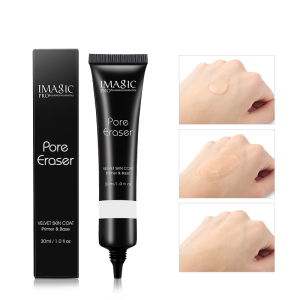
The IMAGIC Pore Eraser Primer features a silky transparent gel texture that helps blur the appearance of pores while providing lightweight hydration without a greasy feel.
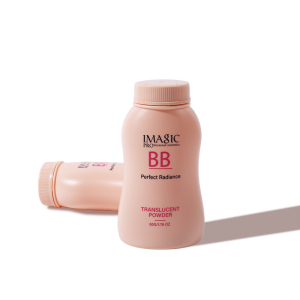
For additional shine control, the IMAGIC Oil Control BB Powder can be used to set makeup and create a soft matte-looking finish.
If your makeup becomes oily quickly, you may also want to read our guide on [how to stop makeup from getting oily].
Which Finish Is Better for Dry Skin?
If your skin tends to feel dry or tight, a dewy makeup look may feel more comfortable.
Start with lightweight hydration and avoid applying excessive amounts of powder.
A moisturizing or hydrating foundation can help maintain a more comfortable-looking complexion, while liquid or cream blush can add freshness without making the skin look overly dry.
The IMAGIC Oil-Free Liquid Foundation has a lightweight, moisturizing formula designed to create a fresh, hydrated-looking complexion while helping blur imperfections.
The key is balance. Even if you prefer a dewy finish, you can still lightly set areas that tend to become shiny.
Can You Have Combination Skin and Wear Dewy Makeup?
Absolutely.
Combination skin does not mean you have to choose one finish for your entire face.
Try using different techniques in different areas.
For example:
T-zone: Use a lightweight primer and a small amount of setting powder.
Cheeks: Keep the complexion more radiant and use a cream or liquid blush.
Under the eyes: Set lightly if your concealer tends to crease.
This creates a balanced finish with controlled shine in the center of the face and natural-looking radiance on the cheeks.
How to Create a Matte Makeup Look
Want a smooth, soft-matte complexion?
Try this simple routine.
Step 1: Prepare the Skin
Start with clean skin and lightweight skincare.
Allow your skincare products to settle before applying makeup.
Step 2: Apply Primer
Use a lightweight primer and focus on areas where you want a smoother-looking base or additional oil control.
The IMAGIC Pore Eraser Primer can be applied in a thin layer before foundation to help create a smoother-looking makeup base.
Step 3: Apply Foundation
Apply foundation in thin layers.
The IMAGIC Full Coverage Foundation has a lightweight formula and can be built to create more coverage where needed.
Step 4: Set Strategically
Instead of applying a thick layer of powder over the entire face, focus on areas that tend to become shiny.
The IMAGIC High Definition Loose Powder is designed to set foundation and absorb excess oil while maintaining a lightweight feel.
Step 5: Add Blush and Definition
Apply blush, bronzer and contour as desired.
For a soft matte look, powder formulas can work particularly well over a set complexion.
Step 6: Finish the Makeup
Complete your eye and lip makeup, then use a suitable setting spray.
The result should be polished and controlled without looking excessively heavy.
How to Create a Dewy Makeup Look
For a fresh, luminous complexion, try a different approach.
Step 1: Hydrate
Start with lightweight skincare and give it time to absorb.
Step 2: Use a Lightweight Primer
Choose a primer that helps create a smooth base without leaving the skin feeling heavy.
Step 3: Apply a Hydrating Foundation
Use a thin layer of foundation and build coverage only where necessary.
The goal is to allow some natural-looking dimension to remain visible.
Step 4: Add Liquid Blush
Liquid blush can help create a fresh, seamless cheek color.
The IMAGIC 8-Color Liquid Blush has a lightweight liquid-powder texture with a soft-matte finish and can be built gradually for a subtle or more defined look.
Step 5: Add Controlled Radiance
Apply highlighter only where you want extra light reflection, such as the cheekbones.
Avoid applying too much product to areas where you naturally become oily.
Step 6: Set Only Where Necessary
You do not have to powder your entire face.
Lightly set the T-zone or other areas where makeup tends to move.
This helps maintain a fresh finish while improving makeup wear.
Matte vs. Dewy Foundation: How to Choose
Foundation is one of the biggest factors determining the final makeup finish.
When choosing between matte and dewy foundation, consider:
Your Skin Type
Oily skin may prefer more shine control, while dry-feeling skin may benefit from a more hydrating-looking finish.
Your Climate
Hot and humid weather can increase visible shine, making a controlled matte finish easier to maintain.
In cooler or drier environments, a more radiant finish may feel more comfortable.
Your Makeup Style
For a polished office look, you may prefer a soft matte finish.
For everyday makeup, weekend makeup or special occasions, you may prefer a fresh or radiant finish.
Your Coverage Preference
A lightweight, natural-looking base can work with either finish.
The application technique often matters just as much as the foundation itself.
You Don’t Have to Choose Only One Finish
One of the easiest ways to create modern-looking makeup is to combine matte and dewy finishes.
This is sometimes called a soft matte or natural radiant makeup look.
For example:
- Keep the forehead and nose softly matte.
- Let the cheeks have a natural glow.
- Use a soft-matte blush.
- Add a small amount of highlighter to the cheekbones.
- Keep the lips hydrated or glossy.
This creates contrast without making the entire face extremely matte or extremely shiny.
Common Mistakes With Matte Makeup
Using Too Much Powder
Heavy powder can make the skin look dry or overly flat.
Choosing a Very Heavy Foundation
More coverage does not automatically create a better matte look.
Skipping Hydration
Even oily skin benefits from appropriate hydration before makeup.
Applying Powder Everywhere
Strategic powder application usually looks more natural than covering every area heavily.
Common Mistakes With Dewy Makeup
Confusing Dewy With Oily
Dewy skin should look radiant and fresh—not greasy.
Applying Too Much Highlighter
Excessive highlighter can make texture and pores more noticeable.
Using Too Many Creamy Products
Layering too many rich products can make makeup move more easily.
Skipping Setting
A dewy makeup look can still benefit from strategic setting, especially around the T-zone.
Which Makeup Finish Should You Choose?
The answer depends on the look you want to create.
Choose a matte finish if you prefer:
- A soft, low-shine complexion
- More visible oil control
- A polished makeup look
- A soft-focus appearance
- A finish that works well with powder products
Choose a dewy finish if you prefer:
- A fresh, radiant complexion
- A hydrated-looking appearance
- More natural-looking luminosity
- Lightweight makeup
- A glowing cheek area
And if you cannot decide, combine both.
A controlled matte T-zone with naturally radiant cheeks can give you a balanced finish that looks polished without appearing flat.
The Bottom Line
When comparing matte vs. dewy makeup, there is no single finish that works for everyone.
Matte makeup focuses on a smooth, low-shine appearance, while dewy makeup emphasizes fresh-looking radiance.
Your skin type, climate, occasion and personal style can all influence which finish works best for you.
The most important thing is not choosing one finish and following it everywhere. Use different products and techniques where you need them.
Control shine where necessary, keep hydration where you want freshness and build your makeup in thin, manageable layers.
For more makeup tips, continue reading:
- [How to Build a Long-Lasting Makeup Look That Still Looks Natural]
- [How to Make Foundation Last All Day: 9 Mistakes That Make Makeup Fade Faster]
- [How to Stop Makeup From Getting Oily: 10 Easy Tips]
- [How to Apply Blush for a Natural Look: 7 Easy Tips]
- [How to Make Eyeshadow Last All Day: 8 Easy Tips]
