
How to Make Eyeshadow Last All Day: 8 Easy Tips
September 15, 2026
1. Start With Clean, Dry Eyelids
Before applying eyeshadow, make sure your eyelids are clean and free from excess oil.
Natural oils on the eyelids can make powder eyeshadow move, fade or crease more quickly. Heavy skincare or oily products around the eyes may also make it harder for eyeshadow to adhere evenly.
After your skincare routine, give your products enough time to settle before starting your eye makeup.
If your eyelids tend to become oily, gently remove excess shine with a clean tissue or use a small amount of translucent powder before eyeshadow.
The goal is not to make the eyelids completely dry. You simply want a clean and even surface for your eye makeup.
2. Use an Eyeshadow Primer or Base
One of the easiest ways to improve eyeshadow wear is to use an eye primer or suitable base.
An eyeshadow primer can create an even surface and help powder products adhere more closely to the eyelid.
Apply a thin layer rather than using too much product.
If you use a heavy or overly creamy base, eyeshadow may move more easily instead of staying in place.
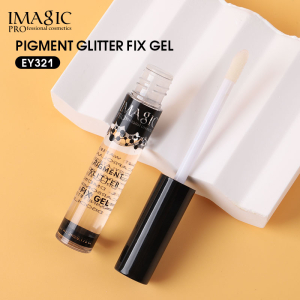
For loose pigments, shimmer or glitter, the IMAGIC Eyeshadow Fix Gel is specifically designed to help eyeshadow pigments and glitter adhere more closely to the skin while enhancing color payoff.
Use a small amount and allow the base to settle before layering your eyeshadow.
3. Set Your Base Before Applying Powder Eyeshadow
After applying your eye primer or base, consider using a light matte eyeshadow to create an even starting surface.
Choose a neutral or skin-tone shade and sweep it across the eyelid.
This first layer can help create a smoother transition between your eye base and the shades you apply afterward.
Avoid applying a thick layer of powder.
Too much product can make the eye area feel heavy and may cause later layers to become difficult to blend.
4. Build Eyeshadow in Thin Layers
If you want your eyeshadow to last longer, resist the temptation to apply a large amount of color at once.
Instead, build your eye look gradually.
Start with a small amount of product, blend it, and then add another layer if you want more intensity.
This technique gives you better control over both color and texture.
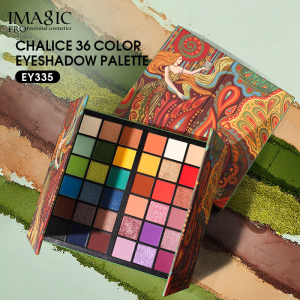
The IMAGIC Chalice 36-Color Eyeshadow Palette includes 36 shades with matte and shimmer finishes, making it easy to build an eye look from a soft transition shade to deeper definition and shimmer.
Its versatile shade range also allows you to adjust the intensity depending on whether you want an everyday or evening look.
Remember: several thin layers are usually easier to control than one heavy layer.
5. Use Matte Shades to Build Definition
Matte eyeshadows are especially useful for creating the structure of an eye look.
Start with a lighter matte shade as your transition color. Then gradually add a deeper shade to the crease or outer corner.
This layering method creates depth without making the eye makeup look too heavy.
For example:
Step 1: Apply a light matte shade across the eyelid.
Step 2: Add a medium matte shade to the crease.
Step 3: Apply a deeper shade to the outer corner.
Step 4: Blend the transitions carefully.
Once the matte structure is complete, you can add shimmer or satin shades for extra dimension.
6. Apply Shimmer and Glitter Carefully
Shimmer can make your eye makeup look brighter and more dimensional, but loose shimmer and glitter can move more easily if they are not applied correctly.
For stronger color payoff, use a slightly firmer brush or your fingertip to press shimmer onto the eyelid instead of sweeping it repeatedly.
If you are using loose pigment or glitter, an eye makeup fixing gel can provide additional adhesion.
The IMAGIC Eyeshadow Fix Gel is designed specifically for eyeshadow pigments and glitter, making it useful when you want a more intense and defined shimmer effect.
For everyday shimmer, the IMAGIC Galaxy Shine 30-Color Eyeshadow Palette offers matte, shimmer and satin finishes that can be mixed to create different eye looks.
7. Blend Without Removing the Color
Blending is essential, but over-blending can make eyeshadow lose its intensity.
After applying each shade, blend the edges rather than repeatedly brushing over the entire eyelid.
Use a clean, fluffy brush for softening transitions.
When working with multiple colors, apply the darker shades gradually. This makes it easier to control the final intensity without disturbing the layers underneath.
A good rule is:
Apply → blend → build → blend again.
This approach creates a smoother eye look while keeping the color visible.
8. Finish With the Right Eye Makeup Routine
Once your eyeshadow is complete, finish the rest of your eye makeup carefully.
Apply eyeliner close to the lash line and finish with mascara.
If you are creating a long-lasting makeup look for a special occasion, avoid touching or rubbing your eyes throughout the day.
If your eyelids become oily, gently remove excess oil instead of rubbing the eye area.
You can also complete the rest of your complexion makeup with products designed for longer wear.
For example, our IMAGIC Full Coverage Foundation can help create an even complexion, while IMAGIC High Definition Loose Powder can help set foundation and control excess oil.
How to Make Eyeshadow Stop Creasing
Eyeshadow creasing is one of the most common problems with long-lasting eye makeup.
If your eyeshadow tends to crease, try these adjustments:
Keep the Eye Area Light
Avoid applying too many layers of skincare or creamy products directly onto the eyelids before makeup.
Use a Thin Primer Layer
Too much primer can leave the eyelid overly slippery. A thin, even layer is usually enough.
Build Color Gradually
Heavy layers of eyeshadow can become more likely to move or gather in the crease.
Set Oily Areas Carefully
If your eyelids become oily, use a small amount of powder or matte eyeshadow to reduce excess shine before adding more color.
Avoid Touching Your Eyes
Rubbing or touching your eyelids can move even well-applied eyeshadow.
Powder vs. Loose Pigment: Which Is Better for Long-Lasting Eye Makeup?
Both can work well, but they require slightly different techniques.
| Powder Eyeshadow | Loose Pigment |
|---|---|
| Easy to control | More intense color options |
| Beginner-friendly | Great for creative eye looks |
| Simple to blend | Works well for shimmer and special effects |
| Easy to layer | Can benefit from fixing gel |
| Convenient for everyday makeup | Ideal for more dramatic looks |
If you are new to eye makeup, a multi-shade powder palette is usually easier to control.
If you enjoy colorful or high-impact eye makeup, loose pigments and glitter can give you more creative possibilities.
A Simple Long-Lasting Eyeshadow Routine
For an everyday eye look that stays defined longer, try this routine:
Step 1: Clean the eyelids
Make sure the eye area is clean and free from excess oil.
Step 2: Apply a thin eye primer
Use a small amount and blend evenly.
Step 3: Add a matte base shade
Choose a light neutral shade and apply it across the eyelid.
Step 4: Build the crease
Apply a medium matte shade and blend through the crease.
Step 5: Add depth
Use a deeper shade on the outer corner.
Step 6: Add shimmer
Press a shimmer or satin shade onto the center of the eyelid.
Step 7: Blend the edges
Use a clean blending brush to soften any harsh transitions.
Step 8: Finish your eye makeup
Complete your look with eyeliner and mascara.
Common Eyeshadow Mistakes That Make Makeup Fade Faster
Applying Eyeshadow to Oily Lids
Excess oil can cause powder products to move or crease.
Using Too Much Primer
More primer does not automatically mean longer wear. A thin layer is usually easier to work with.
Applying Too Much Eyeshadow at Once
Heavy layers can look uneven and become difficult to blend.
Over-Blending
Too much blending can remove intensity and mix colors together.
Touching Your Eyes During the Day
Even long-wearing makeup can move when you repeatedly touch or rub your eyelids.
Skipping Eye Makeup Hygiene
Keep your brushes, applicators and eye makeup clean.
According to the U.S. Food & Drug Administration (FDA) eye cosmetic safety guidance, consumers should keep eye cosmetics and applicators clean, avoid sharing eye makeup and stop using an eye cosmetic if it causes irritation.
How to Make Colorful Eyeshadow Last Longer
Colorful eyeshadow often needs more careful layering than neutral shades.
For brighter looks:
- Start with an even eye base.
- Apply a light base shade.
- Build your colorful shade gradually.
- Press the color onto the eyelid instead of repeatedly sweeping it.
- Use a fixing gel for loose pigment or glitter when needed.
- Blend only the edges.
- Add a final layer of color if necessary.
The IMAGIC Galaxy Shine 30-Color Eyeshadow Palette is especially useful when you want to experiment with both neutral and vivid shades. It includes 30 colors and three finishes—matte, shimmer and satin—so you can create everything from soft everyday makeup to colorful party looks.
The Bottom Line
Learning how to make eyeshadow last all day is mostly about preparation and technique.
Start with clean eyelids, use a thin primer or base, build color gradually and blend the edges without repeatedly disturbing the entire eyelid.
For shimmer, loose pigment or glitter, use the right application method and consider an eyeshadow fixing gel when you need additional hold.
Most importantly, do not rely on heavy layers of product. A carefully built eye look can often look cleaner, more comfortable and more long-lasting than one created with too much product at once.
For more long-lasting makeup tips, continue reading:
- [How to Build a Long-Lasting Makeup Look That Still Looks Natural]
- [How to Make Foundation Last All Day: 9 Mistakes That Make Makeup Fade Faster]
- [How to Stop Makeup From Getting Oily: 10 Easy Tips]
- [How to Apply Blush for a Natural Look: 7 Easy Tips]

