
Concealer vs. Foundation: What’s the Difference and How to Use Both
October 9, 2026
Foundation and concealer are two of the most important products in a makeup routine. Although they may seem similar, they serve different purposes.
Foundation helps create a more even-looking complexion across the face, while concealer provides targeted coverage for areas such as dark circles, blemishes, redness and discoloration.
So, do you really need both? And should you apply concealer before or after foundation?
In this guide, we’ll explain the differences between concealer and foundation, how to choose the right formulas, and how to combine them for a smooth, natural-looking makeup finish.
1. What Is the Difference Between Concealer and Foundation?
The main difference comes down to coverage, application and purpose.
What Does Foundation Do?
Foundation is designed to even out the appearance of your skin tone across a larger area of the face. Depending on the formula, it can provide light, medium or full coverage.
Foundation is ideal for:
- Creating a more even-looking complexion
- Softening the appearance of uneven skin tone
- Reducing the visible appearance of redness
- Creating a consistent base for the rest of your makeup
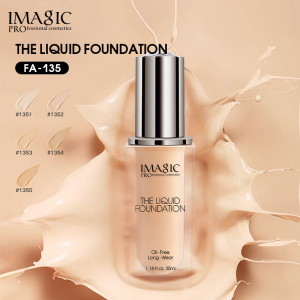
If you prefer a lightweight, radiant finish, the IMAGIC Hydrating Oil-Free Liquid Foundation offers a lightweight liquid texture and a fresh, dewy-looking finish.
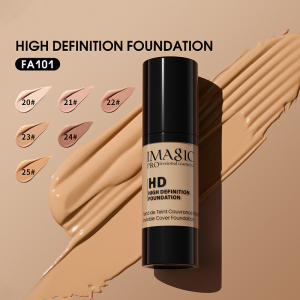
For a more polished complexion with customizable coverage, the IMAGIC HD Liquid Foundation is designed to blend smoothly and create a seamless, natural-looking base.
What Does Concealer Do?
Concealer is generally used on specific areas that need additional coverage or brightening.
It can help conceal the appearance of:
- Dark circles under the eyes
- Blemishes and post-blemish marks
- Redness around the nose
- Uneven pigmentation
- Areas that look dull or shadowed
The IMAGIC Lightweight Hydrating Liquid Concealer features a lightweight texture and buildable coverage, making it suitable for targeted concealing without adding a heavy layer of makeup.
The easiest way to remember the difference: Foundation creates your base; concealer fine-tunes the details.
2. Should You Apply Concealer Before or After Foundation?
For most everyday makeup routines, applying foundation first and concealer afterward is a practical approach.
Here’s why.
Foundation may already cover some of the uneven areas you wanted to conceal. Once it is blended, you can see which spots still need extra coverage.
This helps you avoid using more product than necessary.
Try this simple order:
- Apply primer after your skincare routine.
- Blend foundation evenly across your face.
- Identify the areas that still need additional coverage.
- Apply concealer directly to those areas.
- Blend the edges gently.
- Set your makeup with powder if needed.
There are exceptions. Color correctors are often applied before foundation so the correcting shade can be covered with your base makeup.
The best order also depends on your formula and preferred technique, but for most beginners, foundation first is a good place to start.
3. How to Choose the Right Concealer Shade
Choosing the correct concealer shade can make a noticeable difference to your final makeup look.
A shade that is too light may create a gray or overly bright appearance, while one that is too dark may not provide the brightening effect you want.
For Dark Circles
Choose a concealer that blends naturally with your skin tone. If you want a brighter under-eye appearance, you can use a slightly lighter shade, but avoid choosing one that is dramatically lighter than your complexion.
If your dark circles have a strong blue, purple or brown appearance, a suitable color corrector may help neutralize their appearance before concealer.
For Blemishes
Choose a concealer that closely matches your foundation and natural skin tone.
A matching shade helps cover blemishes without creating a noticeable light or dark spot.
For Brightening
A slightly lighter concealer can be applied sparingly to selected areas, such as the inner corners of the eyes or the center of the face.
Blend carefully to avoid creating harsh contrast.
For more shade flexibility, the IMAGIC 12-Color Color Correcting Concealer Palette includes multiple shades for concealing, brightening and correcting the appearance of different complexion concerns.
4. How to Use Color Corrector Before Concealer
Color correction is useful when ordinary skin-tone concealer does not provide the result you want.
Different correcting shades are designed to address different color concerns.
- Peach: Helps neutralize the appearance of mild blue or purple under-eye discoloration.
- Orange: Can help correct deeper blue or purple discoloration, depending on your skin tone.
- Green: Helps neutralize the appearance of redness.
- Lavender: Can help counteract a yellowish or sallow appearance.
The key is to use a very thin layer.
Apply the correcting shade only where needed, blend the edges, and follow with foundation or a skin-tone concealer to create a more even appearance.
Avoid applying several thick layers of color corrector. Too much product may show through your foundation and make the base look unnatural.
With a multi-shade palette such as the IMAGIC 12-Color Color Correcting Concealer Palette, you can customize the shades for different areas of your face.
5. How to Apply Under-Eye Concealer Without Creasing
The under-eye area requires a slightly different technique because the skin naturally moves when you smile, blink and make facial expressions.
Applying too much concealer can make fine lines appear more noticeable.
Follow these steps for a smoother-looking result:
Step 1: Prepare the area. Complete your skincare routine and allow your products to settle.
Step 2: Use a small amount. Start with a few small dots of concealer rather than applying a thick stripe.
Step 3: Place the product strategically. Focus on areas of discoloration, especially where the under-eye area appears darkest.
Step 4: Blend gently. Use your fingertip, a small concealer brush or a damp makeup sponge to tap the product into the skin.
Step 5: Set sparingly. If your concealer tends to crease, use a small amount of finely milled setting powder where needed.
The IMAGIC Lightweight Hydrating Liquid Concealer is an option for those who prefer a thin, lightweight concealer texture.
Remember, the goal is not to completely cover every natural line. It is to create a more even, fresh-looking under-eye area without unnecessary buildup.
For a more comfortable makeup application, remember that skincare preparation matters too. The American Academy of Dermatology’s guide to applying skincare products in the correct order explains how to organize your skincare routine before applying makeup.
6. How to Cover Blemishes Without Making Them More Noticeable
When covering a blemish, applying more concealer than necessary can sometimes draw additional attention to the texture.
Instead, focus on targeted application.
- Apply and blend your foundation first.
- Choose a concealer that matches your skin tone.
- Place a small amount directly over the area.
- Tap the edges to blend the product into the surrounding foundation.
- Add another thin layer only if more coverage is needed.
Avoid rubbing the concealer back and forth over the blemish, as this can move the product away from the area you want to cover.
For areas that need more coverage, the IMAGIC 6-Color Sculpting Concealer offers multiple shades and a smooth texture that can be built up where needed.
If you have acne-prone skin, choose products suited to your skin and clean your makeup tools regularly. Makeup should help you achieve your preferred look without compromising your skin-care routine.
7. Can You Use Concealer Without Foundation?
Absolutely.
You do not need to apply foundation every time you wear makeup.
If your skin tone is already relatively even, concealer alone may be enough for a simple everyday look.
Try this minimal routine:
- Apply your usual skincare and sunscreen.
- Use concealer on dark circles or selected blemishes.
- Blend the edges carefully.
- Add a little powder if necessary.
- Finish with blush, mascara or lip color if desired.
This approach can create a fresh, lightweight appearance without covering your entire face.
For everyday makeup, the IMAGIC Lightweight Hydrating Liquid Concealer is designed for targeted application and buildable coverage.
8. Can You Use Foundation as Concealer?
You can use foundation to add coverage to small areas, especially if it has enough coverage and matches your skin tone.
However, foundation is not always the most convenient substitute for concealer.
Concealers are formulated and packaged for targeted application, and some provide more concentrated coverage in a smaller amount of product.
If you only need a little extra coverage around your nose or on a small area of discoloration, you can carefully apply a second thin layer of foundation.
For more noticeable dark circles or blemishes, a dedicated concealer may give you greater control.
If you prefer fewer products, the IMAGIC Flawless Concealer Foundation Cream combines the coverage of a concealer with the complexion-enhancing function of foundation in one creamy formula.
This can be a convenient option when you want to customize your coverage without switching between multiple products.
9. How to Make Foundation and Concealer Work Together
The secret to a natural-looking base is not simply choosing good products. It is making sure that each layer has a clear purpose.
Follow these practical tips:
Use foundation for overall coverage. Apply it across the face in a thin, even layer.
Use concealer selectively. Focus on areas that still need additional coverage.
Blend the edges, not the entire area away. Keep the concealer where you need it while softening the transition into the surrounding foundation.
Avoid excessive powder. Set only the areas where your makeup needs additional staying power.
Check your makeup in natural light. This makes it easier to spot visible lines, mismatched shades or areas where the product looks too heavy.
If you prefer a more seamless application, a damp makeup sponge can help blend the edges of both foundation and concealer.
The goal is a complexion that looks even and polished while still looking like skin.
10. Foundation vs. Concealer: Which One Do You Need?
Not sure which product to choose? Use this quick comparison.
| Your Makeup Goal | Best Starting Point |
|---|---|
| Even out the appearance of your entire complexion | Foundation |
| Cover individual blemishes | Concealer |
| Brighten the under-eye area | Concealer |
| Create a lightweight everyday base | Concealer or light-coverage foundation |
| Achieve a more uniform complexion | Foundation, followed by targeted concealer |
| Correct the appearance of redness or discoloration | Color corrector, followed by foundation or concealer |
| Simplify your makeup routine | A combination concealer-foundation formula |
You don’t necessarily need every product in the table. Choose according to your skin, coverage preferences and the look you want to achieve.
Final Thoughts
Foundation and concealer work best when you understand what each product is designed to do.
Foundation helps create an even-looking base across the face. Concealer adds targeted coverage, brightens selected areas and helps address specific complexion concerns.
For most everyday routines, start with foundation, assess where you need more coverage, and apply concealer only where necessary.
If you prefer minimal makeup, concealer alone can also be enough.
There is no single routine that works for everyone. Experiment with different application methods and amounts until you find a combination that feels comfortable and looks natural on your skin.
Explore the IMAGIC Foundation Collection and IMAGIC Concealer Collection to discover complexion products for different coverage needs and makeup styles.

