
How to Make Your Makeup Last All Day: A Step-by-Step Routine
September 26, 2026
There is nothing more frustrating than spending time creating a beautiful makeup look in the morning, only to see your foundation fading, your T-zone becoming shiny and your makeup looking patchy a few hours later.
The good news is that long-lasting makeup is not necessarily about using more products.
It is about preparing your skin, applying thin layers, setting makeup strategically and choosing products that work together.
In our previous articles, we explored the difference between matte and dewy makeup and how to choose a makeup finish based on your skin type. Now, let’s take the next step: building a makeup routine that can help your complexion stay fresh and polished throughout the day.
1. Start With Proper Skin Preparation
Long-lasting makeup starts before you apply foundation.
If your skin is too dry, foundation may cling to dry areas. If your skin produces excess oil, your base may begin to separate or become shiny.
Start with a gentle skincare routine and allow your skincare products to settle before applying makeup.
The American Academy of Dermatology recommends applying skincare products in the order of cleansing, treatment, moisturizer and/or sunscreen, followed by makeup. You can read more in the American Academy of Dermatology’s guide to skincare product order.
The goal is simple:
Clean skin → Hydrated skin → Makeup-ready skin
Avoid applying too many heavy skincare layers immediately before makeup. Too much product underneath your foundation can make the base feel heavy or cause it to move more easily.
2. Use Primer Where You Actually Need It
Primer can help create a smoother surface before foundation, but you don’t necessarily need a thick layer across your entire face.
For a lightweight hydrating base, the IMAGIC Pore-Blurring Hydrating Primer helps replenish moisture while smoothing the appearance of pores and uneven texture. Its lightweight texture is designed to create a more comfortable canvas for foundation.
Apply a thin layer and gently spread it over the areas where you want a smoother makeup surface.
Pro Tip
If your T-zone becomes oily but your cheeks feel dry, you can adjust how much primer you use in different areas.
You don’t have to treat your entire face exactly the same way.
3. Apply Foundation in Thin Layers
One of the most common mistakes when trying to make makeup last longer is applying too much foundation.
A thick layer may initially provide more coverage, but it can also make the complexion look heavier and may become more noticeable as makeup wears throughout the day.
Instead, start with a small amount of foundation and blend it evenly.
If you need more coverage, build it gradually in specific areas rather than applying another heavy layer across your entire face.
This creates a more natural-looking base and gives you greater control over your final finish.
4. Use a Makeup Sponge for a More Even Base
Your application tool can also affect how your foundation looks.
A makeup sponge can help press and blend complexion products into the skin instead of leaving a thick layer sitting on the surface.
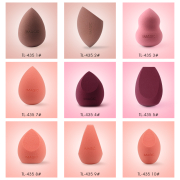
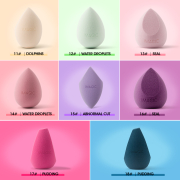
The IMAGIC Waterdrop Non-Latex Makeup Sponge is designed with a soft, water-absorbent texture and can be used wet or dry.
For a more natural-looking finish, dampen the sponge with water, squeeze out the excess and gently press foundation into the skin.
Use a bouncing or tapping motion rather than rubbing.
This can help distribute the product more evenly while keeping the base looking lightweight.

5. Set Your T-Zone Strategically
You don’t always need to powder your entire face.
If your forehead, nose and chin become shiny during the day, focus your setting powder on these areas.
The IMAGIC Air-Whipped HD Loose Setting Powder has a lightweight texture designed to absorb excess surface oil while creating a soft-focus, natural-looking finish. The product can be pressed onto the T-zone and other areas where you want additional setting.
The Key Is Thin Layers
Pick up a small amount of powder.
Tap off the excess.
Then gently press it onto the skin.
If you still need more oil control later, you can add another thin layer.
This is usually more effective than applying a thick layer of powder at the beginning of the day.
6. Try Soft-Focus Powder for a More Polished Finish
If you want oil control without making your complexion look overly matte, a soft-focus powder can be another option.
The IMAGIC Oil Control BB Setting Powder is designed to help absorb excess oil, reduce unwanted shine and create a smoother-looking complexion with a soft-focus effect.
Apply it lightly over foundation or BB cream, concentrating on areas that tend to become shiny.
The goal isn’t to completely remove every trace of natural skin radiance.
A little dimension can make the complexion look more natural.
7. Don’t Forget Blush and Color Products
Long-lasting makeup doesn’t have to look flat.
Once your complexion is set, add blush, bronzer or highlighter according to the look you want.
For a natural everyday appearance, apply blush gradually rather than starting with a large amount of product.
Build the intensity slowly until you reach the desired effect.
This technique gives you more control and helps keep the overall makeup balanced.
8. Build Eye Makeup in Layers
Your complexion isn’t the only part of your makeup that can fade.
Eyeshadow, eyeliner and mascara can also change throughout the day.
Instead of applying a heavy layer of eyeshadow immediately, build your eye look gradually.
Start with a light base shade, add your transition color, then gradually build darker shades where you want more definition.
For a more intense look, lightly press the color onto the eyelid rather than repeatedly rubbing the brush back and forth.
This can help maintain stronger color payoff while keeping the eye makeup controlled.
9. Choose a Lip Formula That Fits Your Day
Lip makeup naturally wears faster because we eat, drink and talk throughout the day.
If you’re going to be away from home for several hours, consider using a long-wearing lip color.
For a matte look, the IMAGIC Velvet Matte Lip Color can be incorporated into your routine as the final color step.
Apply a thin layer first, allow it to settle, and add another light layer if you want stronger color intensity.
Avoid applying too much product at once.
A thinner application often feels more comfortable and looks cleaner throughout the day.
10. Finish With Setting Spray
Once all your makeup is complete, setting spray can be used as the final step.
The IMAGIC Makeup Setting Spray is designed to help makeup last longer while providing moisture and oil-control benefits. It can be used before makeup to add moisture or after makeup to set the finished look.
For an easy application, hold the spray at an appropriate distance and mist evenly over the face.
Then let it settle naturally.
Don’t immediately touch or rub your face after applying setting spray.
11. Refresh Instead of Reapplying Everything
When makeup starts to change during the day, the solution isn’t always to add another full layer.
If your skin becomes shiny, gently remove excess oil first.
Then add a small amount of powder only where necessary.
If your complexion starts looking dry or powdery, a lightweight hydrating mist can help refresh the appearance of your makeup.
The IMAGIC Hydrating Makeup Setting Spray can be used before makeup, after makeup or throughout the day as a quick refresh. Its formula is designed to provide moisture while helping control excess oil and reduce a powdery-looking finish.
This approach is much more natural than repeatedly adding foundation and powder throughout the day.
12. Keep Your Makeup Tools Clean
Your makeup routine isn’t complete without taking care of the tools you use.
Brushes and sponges can collect makeup residue, oil and other buildup over time.
The American Academy of Dermatology recommends regularly cleaning makeup tools and not sharing makeup, brushes or applicators. For acne-prone skin, dermatologists also recommend choosing cosmetics labeled “non-comedogenic” or “won’t clog pores.”
For makeup sponges, clean them regularly and allow them to dry completely before storing them.
A clean application tool can also help your makeup apply more evenly.
Your Simple All-Day Makeup Routine
If you want to keep your routine simple, follow this order:
Step 1: Cleanse and moisturize your skin.
Step 2: Apply sunscreen during your daytime skincare routine.
Step 3: Apply a thin layer of primer.
Step 4: Apply foundation in light layers.
Step 5: Blend with a makeup sponge.
Step 6: Apply concealer where needed.
Step 7: Set the T-zone with a small amount of loose powder.
Step 8: Apply blush, bronzer and highlighter.
Step 9: Complete your eye makeup.
Step 10: Apply lip color.
Step 11: Finish with setting spray.
Step 12: Touch up only the areas that need it during the day.
Final Thoughts
Long-lasting makeup doesn’t have to mean heavy makeup.
The key is to create a good base, use thin layers and apply setting products strategically.
Instead of covering your entire face with large amounts of primer, foundation and powder, think about where your makeup actually needs help.
Dry areas may need more hydration.
Oily areas may need more setting.
Areas that need coverage can be built up gradually.
And when your makeup changes throughout the day, a small targeted touch-up is often better than starting over.
With the right preparation, application technique and product combination, you can create a makeup look that stays polished while still looking natural.
The goal isn’t perfect makeup that never changes. It’s makeup that continues to look good as your day goes on.
Explore the full range of IMAGIC Cosmetics to build your everyday complexion and long-lasting makeup routine.

