
How to Create a Monochromatic Makeup Look: A Complete Guide to Matching Eyes, Cheeks and Lips
November 14, 2026
Monochromatic makeup is one of the easiest ways to create a polished, coordinated beauty look without spending hours choosing different colors. By using shades from the same color family on your eyes, cheeks and lips, you can achieve a harmonious finish that feels effortless yet thoughtfully put together.
From soft peach and romantic rose to warm brown and bold berry, there are plenty of ways to make this makeup style your own. The secret is not using exactly the same shade everywhere. Instead, choose complementary tones and vary their intensity and finish to create dimension.
Whether you prefer natural everyday makeup or a more glamorous look for a special occasion, this guide will show you how to create a beautiful monochromatic makeup look step by step.
1. What Is Monochromatic Makeup?
Monochromatic makeup is a technique that uses colors from the same color family across different areas of the face, particularly the eyes, cheeks and lips.
For example, a rose-toned look might include:
- Soft dusty rose eyeshadow.
- A natural pink blush.
- A slightly deeper rose lipstick or lip gloss.
The result is a cohesive appearance where every part of your makeup complements the others.
However, monochromatic makeup does not mean every product needs to have an identical color. Using different shades within the same color family helps prevent the look from appearing flat or overly uniform.
2. Choose the Right Color Family for Your Look
The first step is deciding which color family you want to use. Consider your skin undertone, personal style and the occasion.
Soft Pink and Rose
Pink and rose tones are ideal for romantic, fresh-looking makeup. They work especially well for daytime outings, casual dates and soft glam looks.
Try combining:
- Light pink or dusty rose eyeshadow.
- Soft pink blush.
- Rose or pink lip gloss.
For a more natural finish, keep the eyes soft and let the cheeks and lips provide most of the color.
Peach and Coral
Peach and coral shades create a warm, fresh appearance that is especially lovely for spring and summer makeup.
Try combining:
- Warm peach eyeshadow.
- Peach or coral blush.
- A glossy peach or nude lip color.
This combination is a great choice when you want a sun-kissed look without using too many contrasting colors.
Warm Brown and Terracotta
Brown and terracotta tones are versatile choices for everyday makeup. They create natural-looking depth and can easily transition into evening makeup.
Try combining:
- Light caramel or warm brown eyeshadow.
- Terracotta or warm nude blush.
- A brownish nude or warm matte lip color.
This color family is particularly useful for creating understated, polished makeup.
Berry and Mauve
For a more dramatic monochromatic look, consider berry, plum or mauve shades.
Try combining:
- Soft mauve eyeshadow.
- Muted berry blush.
- Deep rose or berry lipstick.
Keep the eyes and cheeks relatively soft if you want the lips to be the main focus.
3. How to Match Monochromatic Makeup to Your Skin Undertone
Choosing a color family that complements your undertone can help your makeup look more balanced.
Warm undertones
If your skin has golden, peachy or yellow undertones, consider:
- Peach
- Coral
- Warm brown
- Terracotta
- Golden bronze
Cool undertones
If your skin has pink, red or bluish undertones, consider:
- Cool pink
- Rose
- Mauve
- Plum
- Berry
Neutral undertones
If your skin has a balance of warm and cool undertones, you can experiment with both color families. Soft rose, nude pink, peach and neutral brown are versatile starting points.
Remember that these are suggestions rather than strict rules. Makeup is a form of self-expression, so choose shades that make you feel confident.
4. Step-by-Step: How to Create a Monochromatic Makeup Look
Once you have selected your color family, follow these steps to create a coordinated look.
Step 1: Prepare Your Skin
Start with clean, moisturized skin. Apply a makeup primer if you want to create a smoother-looking base.
Next, apply your preferred foundation and blend it evenly. Use concealer where additional coverage or brightening is needed.
For a natural monochromatic look, avoid applying too much base makeup. A balanced complexion allows the coordinated colors on your eyes, cheeks and lips to stand out.
Step 2: Apply Eyeshadow in Your Chosen Color Family
Begin with a light shade from your chosen color family and apply it across the eyelid.
Then:
- Add a medium shade to the crease for soft definition.
- Blend a deeper shade into the outer corner if you want more dimension.
- Apply a subtle shimmer to the center of the eyelid for extra brightness.
- Blend the edges until the colors transition smoothly.
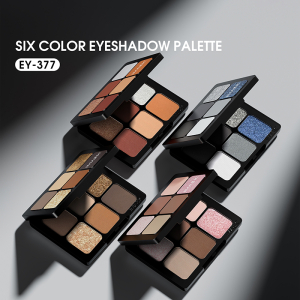
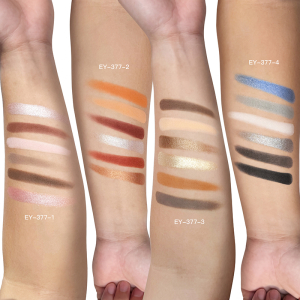
For a simple everyday look, a compact palette such as the IMAGIC 6-Color Eyeshadow Palette offers coordinated color combinations with matte and shimmer finishes.
Step 3: Add Blush to Connect the Look
Blush is an important part of monochromatic makeup because it helps connect the eye and lip colors.
Choose a blush within the same color family as your eyeshadow. Apply a small amount to the apples of your cheeks and blend outward toward your temples.
For a soft, natural effect, build the color gradually rather than applying too much at once.
Explore the IMAGIC Blush Collection to find different blush options for creating pink, peach and other coordinated makeup looks.
Step 4: Complete the Look with Coordinated Lip Color
Your lip color should complement the shades already used on your eyes and cheeks.
Here are a few combinations to try:
- Pink look: dusty rose eyeshadow, pink blush and rose lip gloss.
- Peach look: peach eyeshadow, coral blush and peachy nude lips.
- Brown look: warm brown eyeshadow, terracotta blush and caramel nude lips.
- Berry look: mauve eyeshadow, soft berry blush and deeper berry lips.
For a glossy finish, explore the IMAGIC Lip Makeup Collection. You can choose a coordinating lip color to complete your monochromatic style.
Step 5: Add Dimension and Finish Your Makeup
One common challenge with monochromatic makeup is that using similar colors everywhere can sometimes make the face look flat.
To avoid this, vary the intensity and texture of your products.
For example:
- Keep the eyeshadow soft and blended.
- Build the blush gradually for a natural flush.
- Choose a more defined or glossy lip finish.
- Add a small amount of highlighter to the cheekbones if you want extra luminosity.
The goal is to create a unified color story while allowing each feature to maintain its own dimension.
5. One Palette, Multiple Makeup Possibilities
If you enjoy experimenting with coordinated colors, a multifunctional palette can make your makeup routine more convenient.
The IMAGIC 79-Color All-in-One Makeup Palette combines 60 eyeshadows, 10 lip colors, 3 blush shades, 3 contour shades and 3 highlighter shades in one three-layer magnetic palette.
This variety gives you more opportunities to experiment with different color combinations without needing to select every product separately.
You can create a soft pink look for daytime, explore warm brown tones for a polished everyday style, or combine deeper shades for a more expressive evening look.
It is also a useful option when you want to explore different makeup styles and discover which color combinations suit you best.
6. Common Monochromatic Makeup Mistakes to Avoid
Even though monochromatic makeup looks simple, a few small mistakes can affect the final result.
Mistake 1: Using exactly the same shade everywhere
Applying one identical shade to your eyes, cheeks and lips can make the look appear flat.
How to improve it: Use lighter shades on the eyes, buildable color on the cheeks and a slightly deeper or more defined shade on the lips.
Mistake 2: Mixing different undertones
A cool pink blush may not blend naturally with a strongly orange-toned lip color.
How to improve it: Keep your main colors within a similar undertone family.
Mistake 3: Applying too much blush
Strong cheek color can overpower the rest of your makeup, especially when your eyes and lips are already colorful.
How to improve it: Start with a small amount and blend before adding more.
Mistake 4: Using only one finish
A completely matte look can sometimes appear flat, while too much shimmer may make the makeup look overly shiny.
How to improve it: Mix matte, satin and glossy finishes to create a more balanced result.
7. Three Monochromatic Makeup Looks to Try
Need some inspiration? Here are three easy combinations to experiment with.
Look 1: Everyday Peach Glow
- Eyes: Soft peach and warm brown eyeshadow.
- Cheeks: Light peach blush.
- Lips: Glossy peach nude.
- Overall style: Fresh, warm and natural.
This is a great option for everyday wear, brunch or a casual weekend outing.
Look 2: Romantic Rose Makeup
- Eyes: Dusty rose and soft pink eyeshadow.
- Cheeks: Muted pink blush.
- Lips: Rose-pink lipstick or gloss.
- Overall style: Soft, feminine and elegant.
Try this look for a date, a celebration or whenever you want a gentle pop of color.
Look 3: Warm Brown Soft Glam
- Eyes: Caramel and deep brown eyeshadow.
- Cheeks: Warm nude or terracotta blush.
- Lips: Brown nude lipstick.
- Overall style: Defined, sophisticated and versatile.
Add a touch of shimmer to the eyelids and a little extra definition to the lips when transitioning this look from daytime to evening.
8. Final Thoughts: Make One Color Family Your Signature
Monochromatic makeup proves that you do not need dozens of contrasting colors to create a beautiful look. By choosing one color family and adjusting its shades, intensity and finishes, you can create makeup that feels coordinated, flattering and personal.
Start with a color you already love, whether it is soft pink, warm peach, neutral brown or bold berry. Experiment with different combinations across your eyes, cheeks and lips until you find a style that feels like you.
At IMAGIC, we believe makeup is about exploring your creativity and expressing your individuality. Try new shades, mix different textures and discover how many looks you can create from one color story.
Imagine it. Make it magic. What’s your IMAGIC?

