
How to Choose the Right Foundation Shade: A Complete Guide to Skin Tone and Undertone
November 4, 2026
Finding the right foundation shade can make a huge difference to your makeup look. The right match helps your complexion look more even and natural, while the wrong shade may appear too pink, too yellow, too orange, or noticeably lighter or darker than your neck.
With so many shades, undertones, and foundation formulas available, choosing the right one can feel confusing—especially when shopping online.
The good news is that finding a suitable foundation shade does not have to be guesswork. By understanding your skin tone, identifying your undertone, and following a few simple testing techniques, you can narrow down your options and make a more confident choice.
In this guide, we will explain how to choose a foundation shade, how to avoid common color-matching mistakes, and how to explore different foundation finishes from IMAGIC Cosmetics.
1. Understand the Difference Between Skin Tone and Undertone
Before choosing a foundation, it is important to understand two different concepts: skin tone and skin undertone.
What Is Skin Tone?
Skin tone refers to how light or deep your complexion appears on the surface. It is commonly grouped into several categories:
- Fair: A very light complexion.
- Light: A light complexion with beige or ivory characteristics.
- Light-Medium: A complexion between light and medium.
- Medium: A balanced beige, golden, or olive-looking complexion.
- Tan: A deeper complexion with more noticeable golden or brown tones.
- Deep: A rich, deeper complexion with varying red, golden, neutral, or olive undertones.
These categories are general descriptions rather than strict shade classifications. Different brands may use different names for similar complexion depths.
What Is Skin Undertone?
Undertone refers to the subtle color beneath the surface of your skin. Unlike surface skin tone, your underlying undertone generally remains relatively consistent.
The three commonly used undertone categories are:
- Cool undertone: Often associated with pink, rosy, red, or bluish hues.
- Warm undertone: Often associated with golden, yellow, or peachy hues.
- Neutral undertone: A balance of warm and cool characteristics.
Some people also have olive undertones, which can include greenish or muted golden characteristics.
Understanding both your skin tone and undertone is important. Two people may have a similar complexion depth but need completely different foundation colors.
2. How to Identify Your Skin Undertone
If you are unsure whether your skin has cool, warm, or neutral undertones, try these simple observations.
The Jewelry Test
Compare how silver and gold jewelry look against your skin.
- If silver tends to complement your complexion more, you may have cool undertones.
- If gold looks especially harmonious, you may have warm undertones.
- If both look equally flattering, you may have neutral undertones.
This is only a general clue, not a definitive test.
The Vein Test
Look at the veins on your inner wrist under natural daylight.
- Blue or purple-looking veins may suggest cool undertones.
- Green-looking veins may suggest warm undertones.
- A mixture of blue and green may suggest neutral undertones.
Lighting and individual skin characteristics can affect how veins appear, so avoid relying on this test alone.
The White Clothing Test
Hold a white piece of clothing or paper near your face in natural light.
Observe how your complexion appears:
- A pink or rosy appearance may suggest cool undertones.
- A golden or yellow appearance may suggest warm undertones.
- A balanced appearance may suggest neutral undertones.
For a more detailed explanation, read Vogue’s guide to finding your skin undertone, which explains how undertones influence makeup and color selection.
3. How to Choose Foundation for Different Skin Tones
Once you have a general idea of your complexion depth and undertone, you can start narrowing down foundation shades.
Fair and Light Skin Tones
If you have fair or light skin, look for shades that match your natural complexion without making your face appear too pale.
Depending on your undertone, you may want to explore:
- Cool undertones: Light shades with pink or rosy characteristics.
- Warm undertones: Light beige or golden shades.
- Neutral undertones: Balanced ivory or beige shades.
A common mistake is choosing a foundation that is significantly lighter than your natural skin tone because you want a brighter complexion.
Instead, choose a foundation that matches your face and neck, then use concealer strategically if you want a brighter under-eye appearance.
Medium and Olive Skin Tones
Medium and olive complexions can have warm, cool, neutral, or muted greenish undertones.
Depending on your complexion, consider:
- Golden beige for warm undertones.
- Neutral beige for balanced undertones.
- Muted or olive-compatible shades for olive undertones.
- Rosy beige for cooler characteristics.
Be careful with foundations that are too orange or too pink. Test several nearby shades to see which one blends most naturally with your neck.
Tan and Deep Skin Tones
Deeper complexions can have a wide range of undertones, including golden, red, neutral, and olive characteristics.
When choosing a foundation:
- Consider both shade depth and undertone.
- Avoid shades that appear gray or ashy after application.
- Compare several nearby shades instead of choosing based on a shade name alone.
- Check the color in natural daylight.
A good shade match should look harmonious across the face and neck rather than creating a noticeable line around the jaw.
4. How to Test Foundation Shades Correctly
One of the biggest foundation shopping mistakes is testing a shade on the back of your hand.
Your hand may have a different color and undertone from your face, so it may not give you an accurate result.
Try this method instead:
Step 1: Prepare Your Skin
Start with clean skin and apply your usual lightweight skincare. Allow it to settle before testing foundation.
Step 2: Select Several Similar Shades
Choose two or three foundation shades that appear close to your complexion. If possible, compare different undertones at a similar depth.
Step 3: Apply Along Your Jawline
Apply separate stripes along your jawline, extending slightly toward your neck.
This helps you see whether the foundation blends naturally between your face and neck.
Step 4: Check in Natural Light
Look at the shades near a window or outdoors in indirect daylight. Store lighting can make colors appear different.
Step 5: Allow the Foundation to Settle
Some foundations may change slightly in appearance after application. Wait a few minutes and check the color again.
Step 6: Choose the Shade That Blends In
The closest match should blend into your skin without creating an obvious pink, yellow, orange, gray, or light-colored stripe.
For additional guidance, see Ulta Beauty’s foundation undertone guide, which explains how to compare foundation shades and recognize undertone mismatches.
5. Choose a Foundation Finish That Suits Your Skin
Finding the right color is only half the process. You should also consider the foundation finish and texture that suit your skin preferences.
Matte Foundation
Matte foundation is popular among people who prefer a less shiny complexion.
It can be a practical choice for everyday makeup, professional looks, and occasions when you want a more controlled finish.
Explore the IMAGIC Matte Finish Long-Wearing Liquid Foundation.
This formula is available in six shades:
- #1390 Fair
- #1391 Cool Porcelain
- #1392 Neutral
- #1393 Soft Ivory
- #1394 Warm Buff
- #1395 Sandy Tan
Its shade selection includes different complexion depths and undertone descriptions, making it useful to compare when looking for a matte foundation.
Radiant Foundation
If you prefer a fresh, luminous-looking complexion, a radiant foundation may be worth considering.
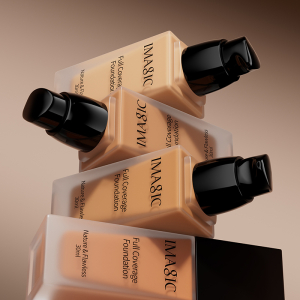
The IMAGIC Radiant Full-Coverage Foundation is designed to provide high coverage with a natural radiant finish.
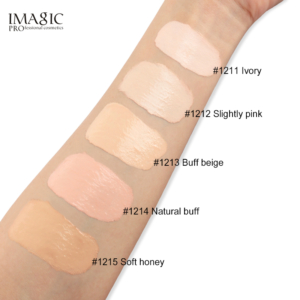
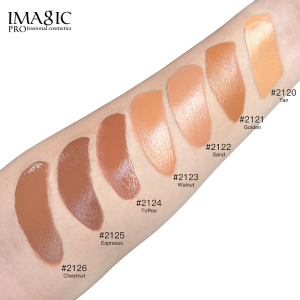
It offers five shades, from #1 to #12. Check the product’s shade images and available options carefully before selecting your match.
Hydrating Foundation
If you prefer a comfortable, fresh-looking base, consider exploring a hydrating liquid foundation.
The IMAGIC Hydrating Oil-Free Liquid Foundation has a lightweight texture and a dewy finish.
It is available in five shades: #1351, #1352, #1353, #1354, and #1355.
Choose the shade based on your actual complexion rather than assuming that a hydrating formula needs to be lighter or darker.
6. How to Choose Foundation When Shopping Online
Shopping for foundation online is convenient, but it can be challenging because you cannot immediately test the product on your skin.
Here are some practical tips to help you make a better choice.
Check the shade chart carefully
Look for product images showing all available shades. Pay attention to the shade names, descriptions, and color differences.
Compare with your current foundation
If you already own a foundation that matches your skin well, use it as a reference. Compare its shade depth and undertone with the new product’s shade information.
Look for real swatches
Product swatches on different skin tones can provide more useful information than a single image of the bottle.
Consider your seasonal complexion
Your visible skin tone may change throughout the year because of sun exposure or other factors. You may need a slightly different shade during different seasons.
Read the product description
Check the coverage, finish, texture, and available shade options before making a purchase.
For example, the IMAGIC HD Liquid Foundation offers six shades, including 20#, 21#, 22#, 23#, 24#, and 25#.
Review the product’s shade images and descriptions to help narrow down your options.
7. Common Foundation Shade Mistakes to Avoid
Even if you understand your undertone, it is still possible to choose the wrong foundation shade.
Here are some common mistakes and how to avoid them.
Choosing a Shade That Is Too Light
A foundation that is too light may create an obvious difference between your face and neck.
Choose a closer match to your natural complexion instead of using foundation as a substitute for brightening products.
Ignoring Undertone
A foundation may have the right depth but still look unnatural if its undertone does not suit your skin.
For example, a foundation that is too yellow may look different from your natural complexion, even if the shade depth is correct.
Testing Only Under Indoor Lighting
Artificial lighting can affect how foundation colors appear.
Always check your final shade in natural daylight when possible.
Applying Too Much Product
A thick layer of foundation can make even a good color match look less natural.
Start with a small amount, blend carefully, and build coverage only where necessary.
Forgetting About Your Neck
A foundation that matches your face but looks noticeably different from your neck may create an uneven appearance.
Always consider the transition between your face, jawline, and neck when choosing a shade.
8. How to Apply Foundation for a Natural-Looking Finish
After choosing the right shade, proper application helps create a more seamless result.
Follow these simple steps:
- Prepare your skin: Complete your skincare routine and allow products to absorb.
- Apply a small amount: Dispense foundation onto the back of your hand or a clean mixing surface.
- Place the product evenly: Apply small amounts to the forehead, cheeks, nose, and chin.
- Blend from the center outward: Use a foundation brush or damp makeup sponge to blend the product toward the edges of your face.
- Blend along the jawline: Make sure there is no visible foundation line between your face and neck.
- Build coverage gradually: Add a little more product only to areas that need extra coverage.
- Set your makeup if needed: Use a suitable setting powder to finish your base.
If you want a versatile complexion routine, explore the IMAGIC Foundation collection and IMAGIC Concealer collection to compare different complexion products.
9. Find Your Foundation Match with IMAGIC
Choosing foundation should be about finding a formula and shade that suit your own complexion and makeup preferences.
IMAGIC offers several foundation options with different finishes, textures, and shade ranges, giving makeup lovers more choices when creating their preferred base.
Here are some products worth exploring:
- IMAGIC Radiant Full-Coverage Foundation – a radiant finish with five available shades.
- IMAGIC Matte Finish Long-Wearing Liquid Foundation – a soft-matte finish with six shades.
- IMAGIC Hydrating Oil-Free Liquid Foundation – a lightweight, dewy finish with five shades.
- IMAGIC HD Liquid Foundation – a buildable foundation with six shade options.
Take time to compare the available colors and product descriptions before choosing your foundation.
Final Thoughts
Choosing the right foundation shade is about matching both your complexion depth and undertone. Once you understand these two factors, it becomes much easier to narrow down your options and avoid common shade-matching mistakes.
Remember to test foundation along your jawline, check the color in natural daylight, and consider how the formula looks after it settles.
Whether you prefer a matte, radiant, or hydrating finish, the right foundation should complement your natural complexion and help you feel confident in your makeup.
Explore the official IMAGIC Cosmetics website to discover foundation shades, complexion products, and makeup essentials for creating your ideal base.